Play ideas · 3 min read
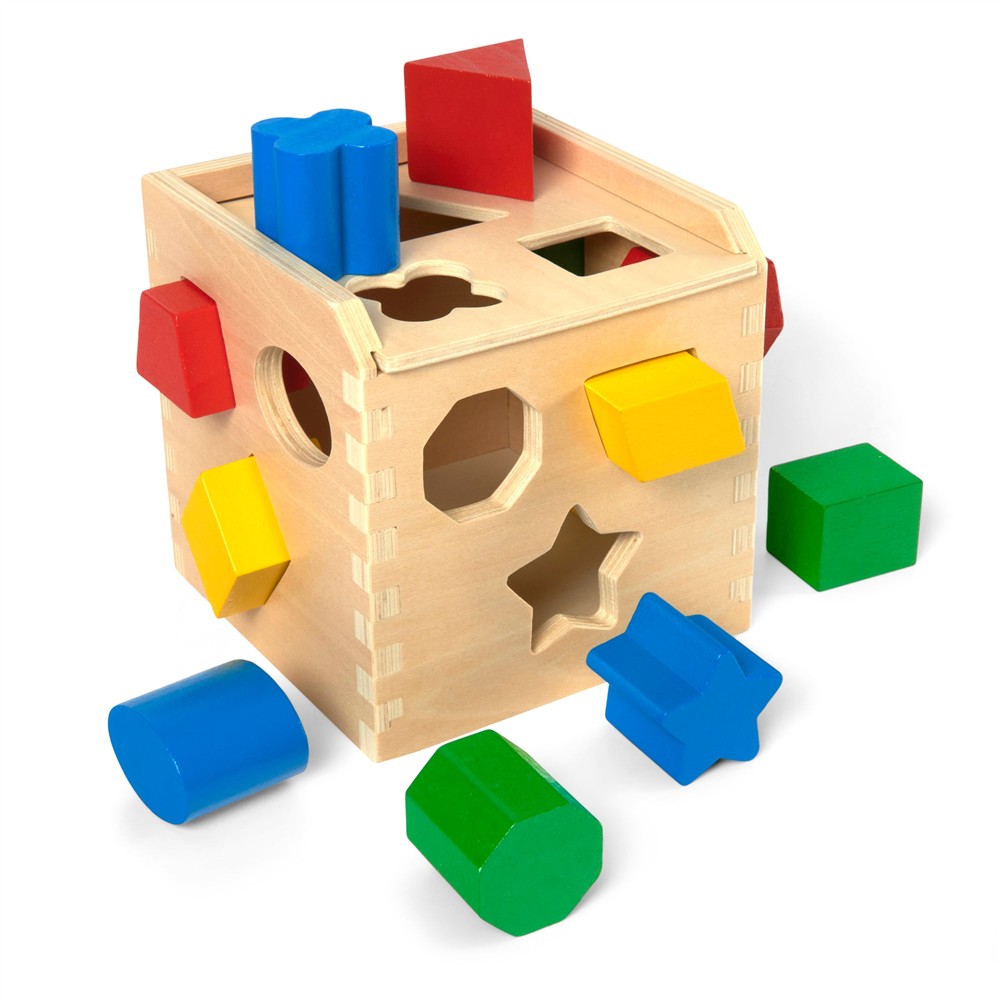
Puzzles That Feel Hard: Helping a Toddler Stay With the First Fits
A small puzzle can be a good shared problem, provided the adult adjusts the task before it becomes a battle.
12–36 monthsResearch-led · play-first · no hype
A calmer field guide to choosing toys that invite movement, language, imagination, and connection—without asking parents to become product detectives.

THE ALMANAC PROMISE
We separate what has evidence from what a product page says—and tell you what to check at home.
How we workA resource for real family days
32 practical guides. 100 historical records. No perfect playroom required.
New on the reading shelf · 19 September 2026
Play ideas · 3 min read
A small puzzle can be a good shared problem, provided the adult adjusts the task before it becomes a battle.
12–36 monthsBuying wisely · 3 min read
A short note about safety, space, noise, and the child’s current interests gives a generous giver something concrete to work with.
12–36 monthsSafety · 3 min read
A quick check for secure closures, loose cells, and damaged compartments can make battery-powered play easier to manage.
12–36 monthsField notes from real play
Good recommendations should survive contact with an actual room: the reaching, the carrying, the interruption, the return.
Why the images are credited
Choose a starting point
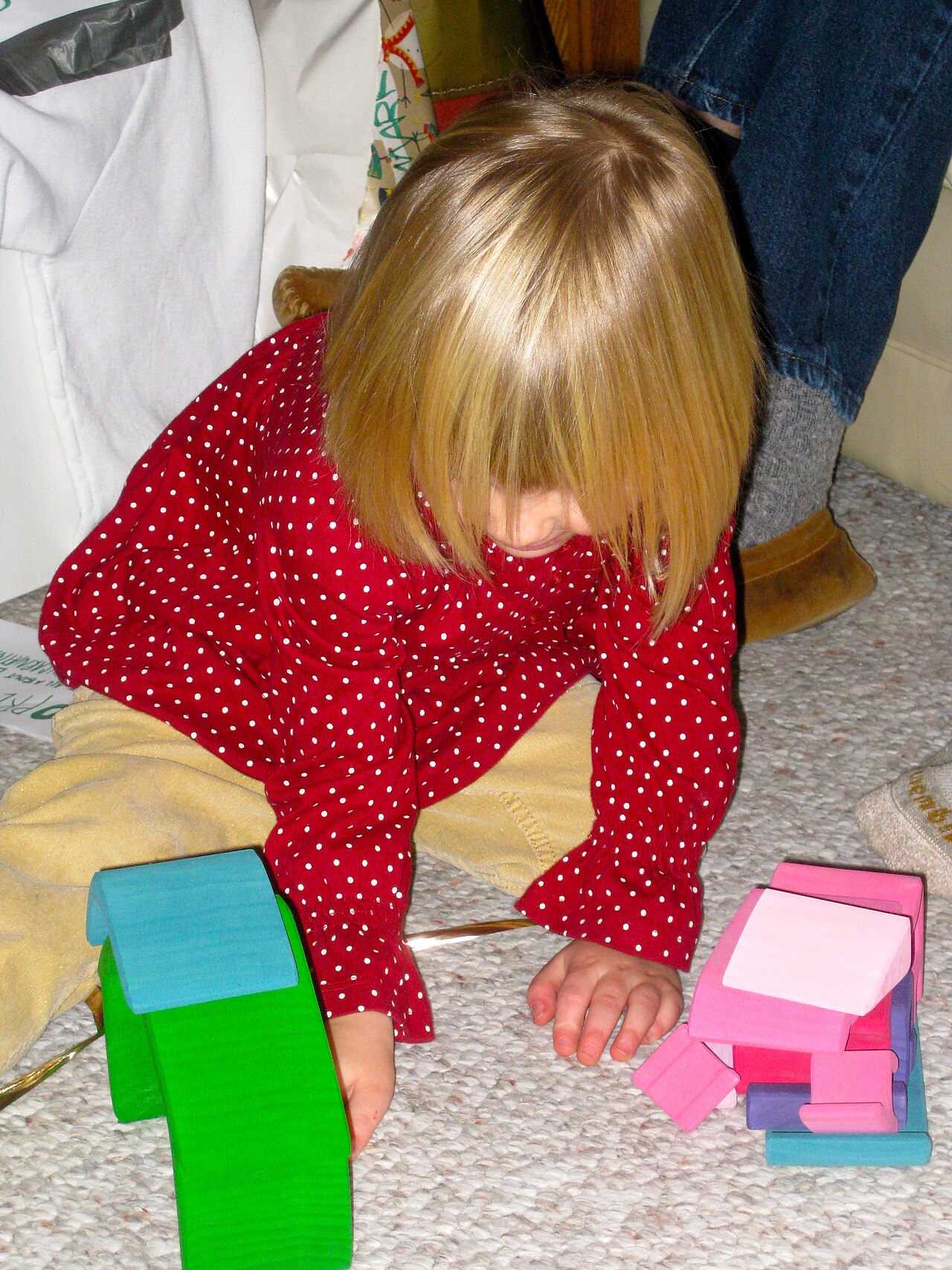
Toddlers don’t play by category. They move, repeat, invent, test, and invite you in. Start with the action you want to make easier.
The directory
Representative models from the original research, not current offers or tested recommendations. Confirm the exact model, age label and instructions with its manufacturer.
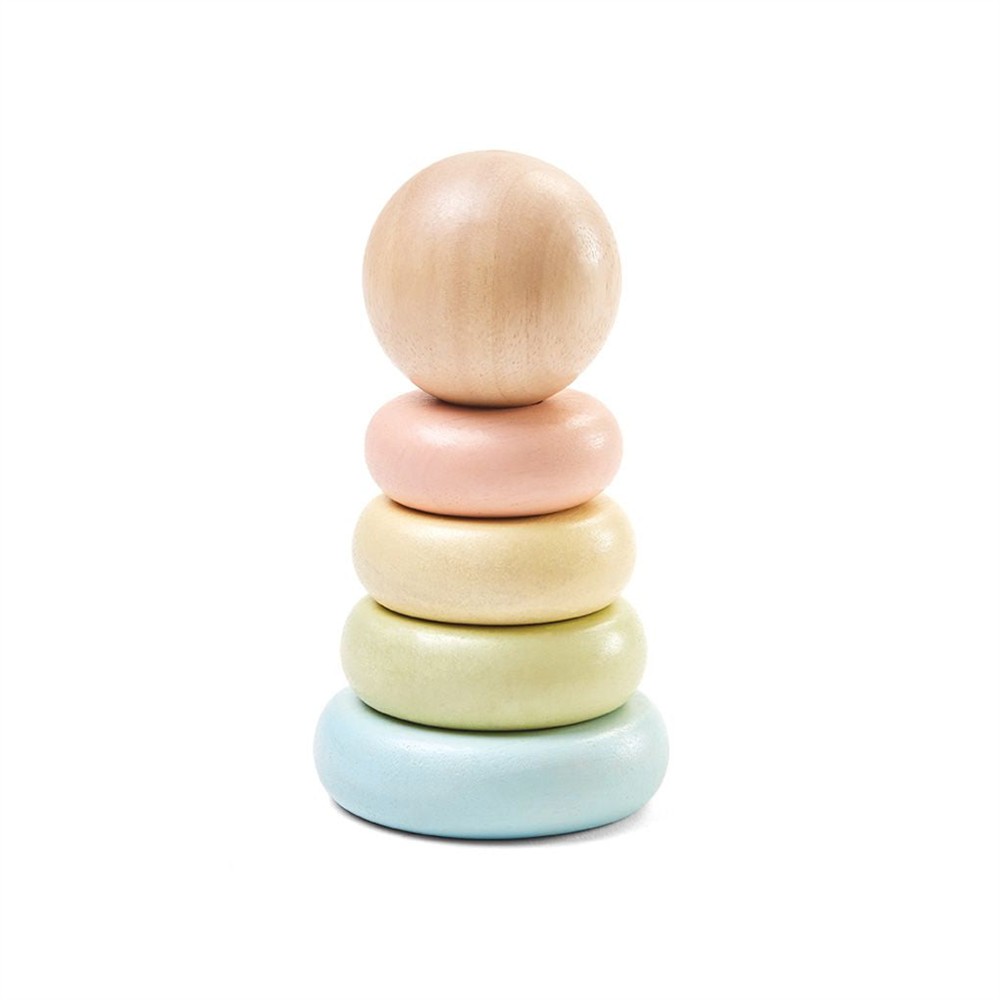
PlanToys
Simple pieces, multiple repetitions, a compact footprint.
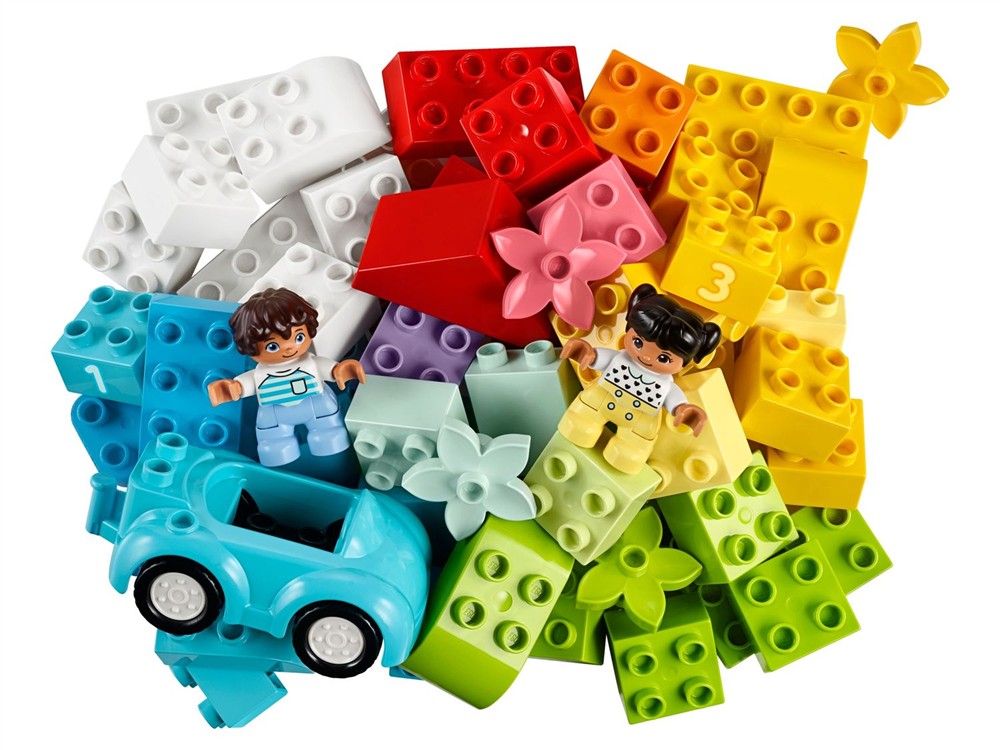
LEGO
Large pieces for building, taking apart, and starting again.
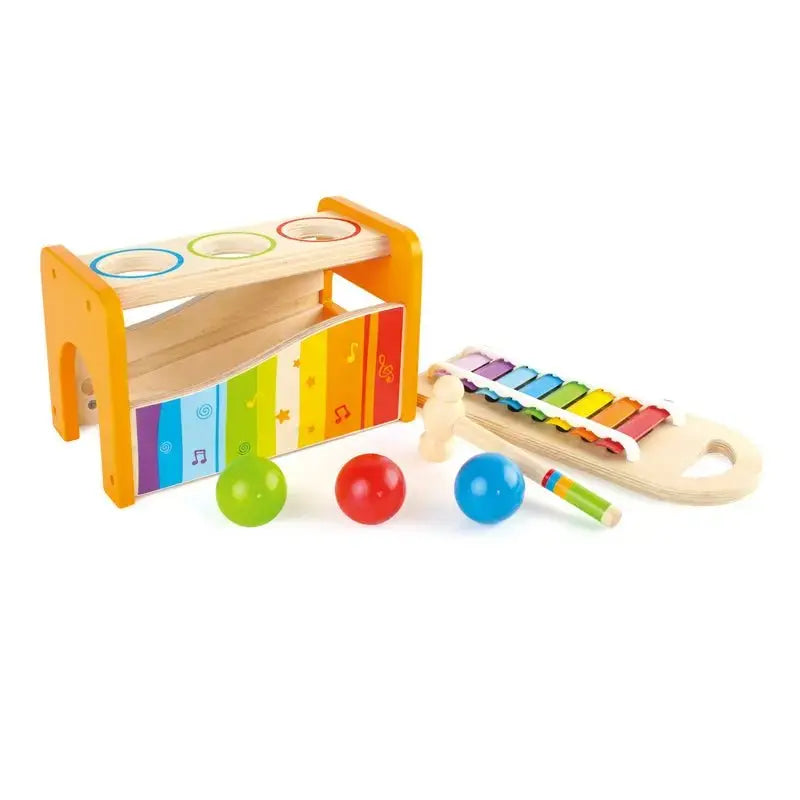
Hape
A physical feedback loop: hit, listen, chase, repeat.
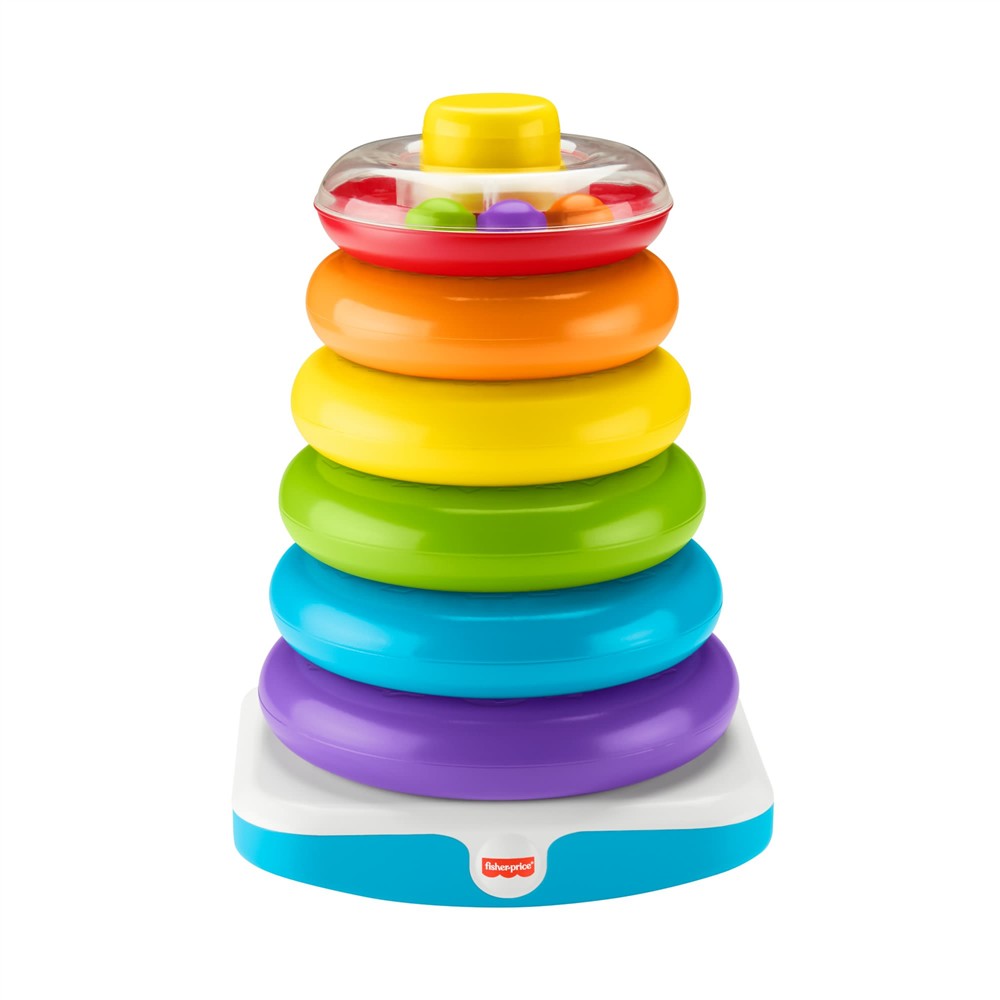
Fisher-Price
Large, high-contrast rings with room to carry and reorder.

Melissa & Doug
A familiar challenge with shapes to match, name, and turn.
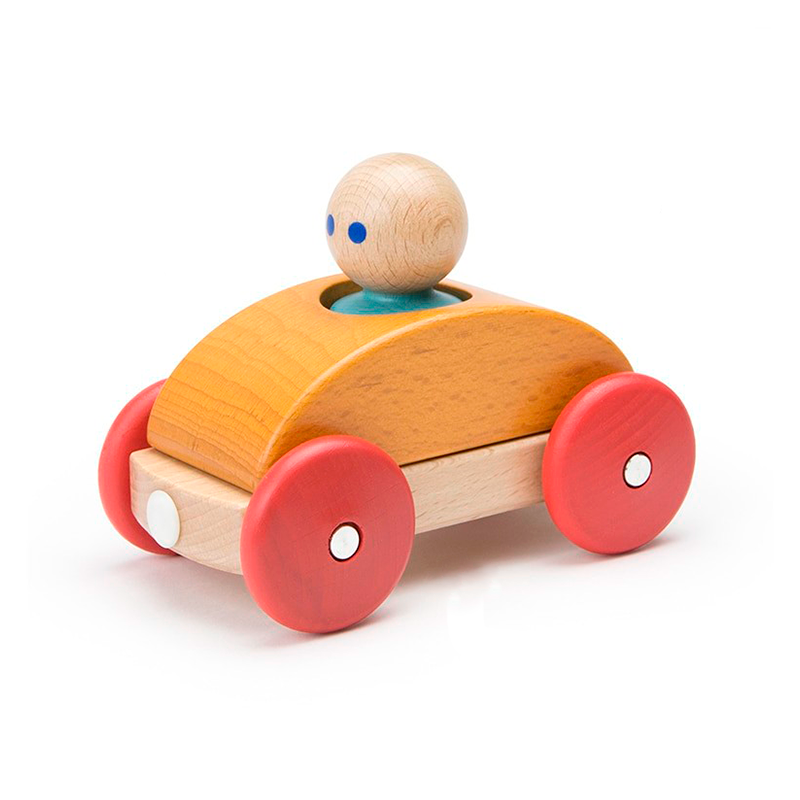
Tegu
Fewer pieces and chunky forms, with a magnet safety note to keep visible.
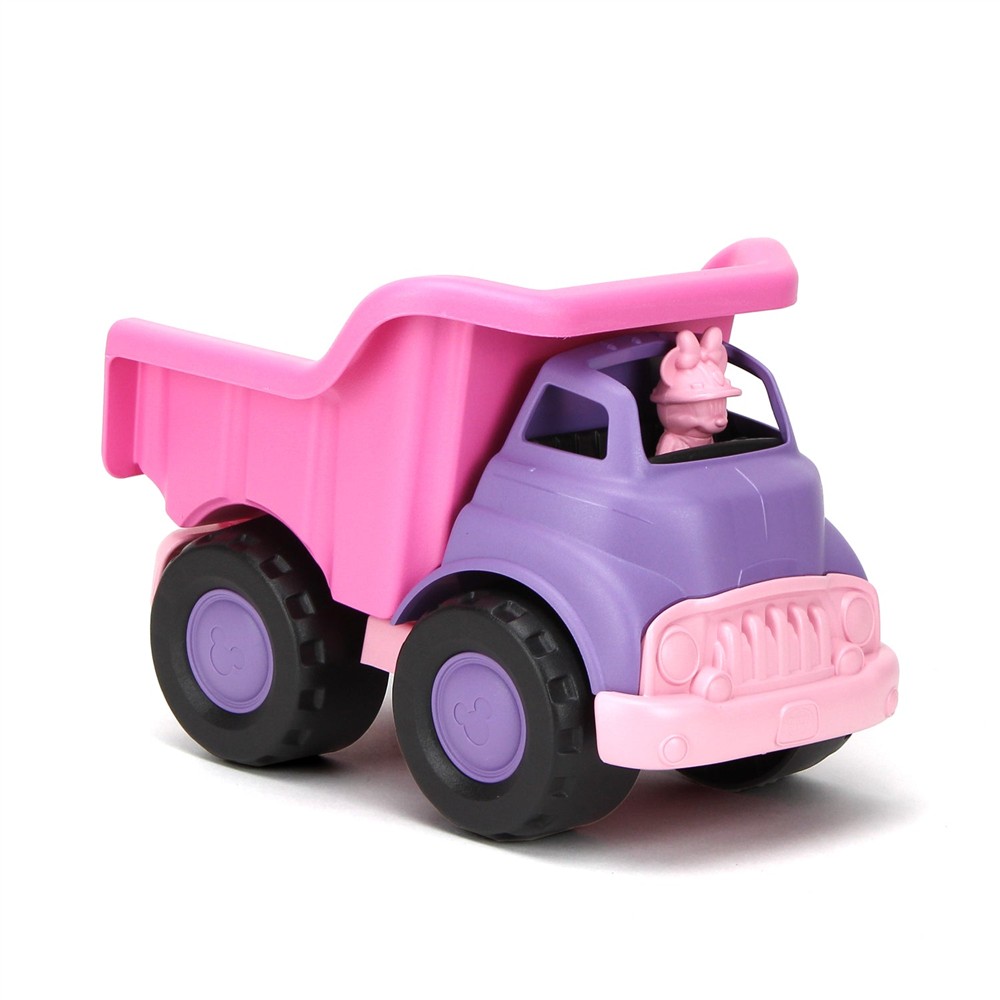
Green Toys
A washable vehicle for hauling, loading, and outdoor routes.
How to read a pick: current price and availability are not verified here; “why it earns a spot” is editorial analysis; materials, age, and safety statements come from the linked manufacturer page.
Our methodResearch, translated
The question isn’t “Is this toy educational?” It’s “What does this setup make easier—and what does the evidence actually support?”
A systematic review and meta-analysis of 19 randomized trials found small child-language effects and a larger effect on caregiver competence. How adults read together matters.
See the reviewIn a small supervised toddler study, four toys led to longer, more varied play than sixteen. It does not establish a magic number for every home.
See the studyOne controlled study of 26 parent–infant dyads found fewer adult words and conversational turns with electronic toys than with traditional toys or books.
See the studySensory-based interventions have uneven evidence and are not automatically safe. Start with the child’s preferences and functional access—not a marketing label.
See the reviewReviews report positive outcomes for some Montessori programs, but those effects cannot be assigned to a single wooden material or toy.
See the reviewWHO guidance asks for lots of varied physical activity for under-fives. A ride-on toy is not a substitute for an environment that lets a child move.
See the guidanceKeep useful references close
A manufacturer's guidance, an independent review, and a recall record answer different questions. Here is where to start.
Explore a stage-based kit system and its play prompts. Developmental and product claims come from the seller.
Visit Lovevery ↗ 02 / TESTING METHODRead how its testers assess fun, ease of use, and skills. Those are its ratings; Toy Almanac has not conducted those tests.
Read the method ↗ 03 / REVIEW PRACTICELook for what was tested, how the shortlist was made, and where a recommendation stops being a good fit.
Read about its reviews ↗ 04 / U.S. RECALLSSearch the exact brand and model, then compare the photos, model numbers, and remedy in the official recall notice.
Check recalls ↗The activity shelf
A toy gets interesting when the adult changes the question. Keep the prompts small, physical, and easy to abandon.
“Can the animal get across?” Put two blocks apart. Let the child decide what counts as a bridge.
build · pretendGive a vehicle one soft thing to carry. Add a route, a stop, and a sound—then follow their version.
move · languagePut three familiar objects in a row. Hide one. Ask “What’s different?” before offering a hint.
notice · memoryChoose a figure and a cup. “The bear is thirsty.” Pause. Let the child supply the next move.
pretend · languageThe safety shelf
Age labels are a starting point, not a supervision plan. Check the exact model, the child in front of you, and the way the toy will be used at home.
Open the checklistAnything that detaches after a drop, twist, or determined mouth.
Keep high-powered magnets and button cells out of oral reach.
For toddlers, the safest household policy is to skip them altogether.
Watch loops, chargers, and toys that are uncomfortable to hear nearby.
Search the exact model and keep a traceable receipt.
Safety references: CPSC recalls · water-bead rule · button-cell guidance
A note from the desk
There is no perfect shelf. There is only a next invitation: a safe object, a little room, and an adult who is willing to wonder what happens.
— The Toy Almanac
Method note
Academic studies and systematic reviews are summarized with their design and limits. Official safety guidance is kept separate from editorial judgment. Product prices, materials, availability, and age ranges are snapshots from manufacturer pages checked on September 14, 2026.
We do not promise developmental outcomes, diagnose delays, or treat sensory differences through toys. We do not accept “educational,” “non-toxic,” or “eco-friendly” as evidence on their own.

